Learning to trust yourself again

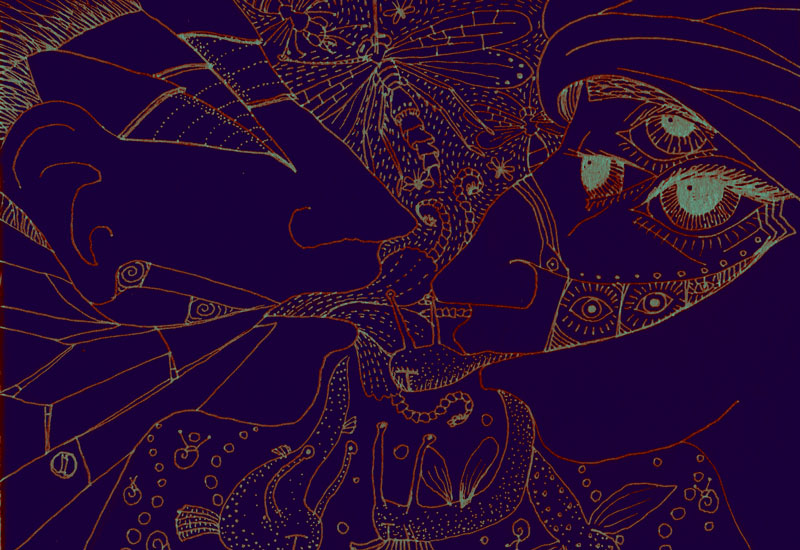
A line drawing, pale green and orange on dark purple, two people in profile looking at one another. The one on the left has no eyes, the one on the right has gwo many. The background is filled with insects and snails that are issuing from their mouths.

Self compassion is essential, but it can be so difficult to practice. If you’re struggling with self compassion, it might be because you first have to earn your own trust again.

You’ve probably spent an entirely lifetime not taking your own needs seriously. Motivating yourself through anxiety and threats, telling yourself “why can’t you just” or “nothing’s wrong, why are you so messed up?!” and it’s going to take a bit of time before you can feel safe with yourself, and trust that you’re not just going to go back to the old, harsh ways when things get tough. Do what it takes to earn your trust.

Compassionate realism works better than false positivity.

My Anxiety Dragon

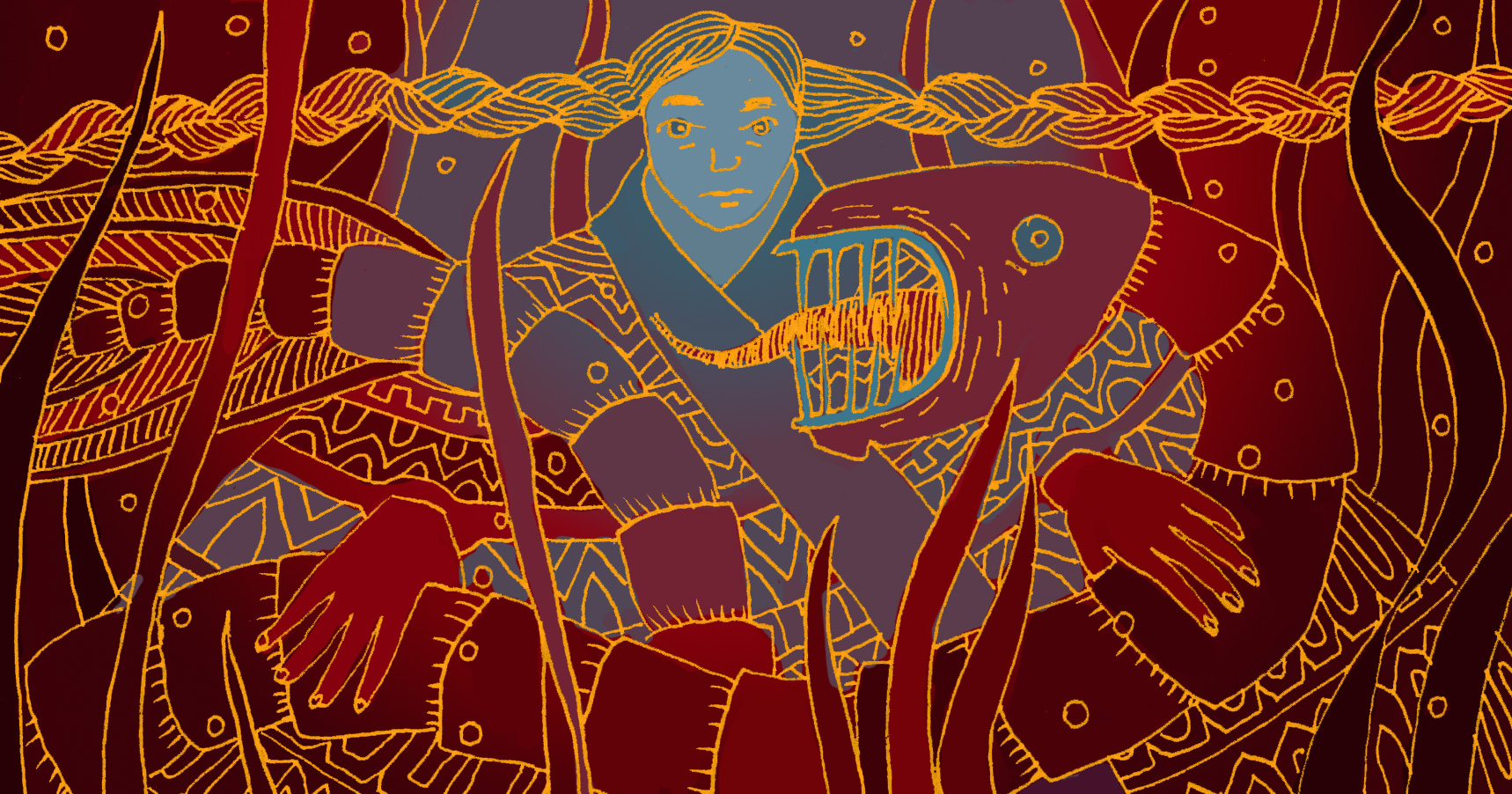
A drawing of a fierce person with long braids holding a segmented dragon creature with long teeth

I find it helpful to visualise my anxious mind as a small dragon who lives coiled around my neck.

When I start ruminating, it responds in the only way it knows to anything that seems dangerous: it rears up hissing and snarling at the potential enemies, choking me in the process and digging its claws into my shoulders. But if I do the things my brain and body enjoys, (swimming, dancing, cycling) it relaxes its squeeze and might even uncoil from my neck completely, and swoop about in ecstasy, or just lie across my shoulders, purring and making dragon biscuits.

My continual worrying and ruminating means my poor dragon is quite weary and ragged by now, but it’s still willing to throw itself into full alert at my call. So I have to be gentle with my thoughts so that my anxiety dragon can get enough sleep.

Autism is like a fever

Many late realised autistic people like me struggle with the question of how we can ever know if we are really autistic. Even if we do extensive research, and all the descriptions of the autistic experience and traits resonate with us, we still doubt.

Some of us don’t have access to official diagnosis, and many of us still doubt even when we are diagnosed as autistic. Maybe we’re faking our traits? Are we impostors? Can we really call ourselves autistic if were not 100% sure?

I’m hoping that some of that doubt can be alleviated going back to the basics, and examining what autism actually is, and how its defined and diagnosed.

The tl/dr: there is no hidden neurological dial pointing to “autistic” or “neurotypical”. Autism is defined by the traits. If you have the traits, strongly, and there is no other clear cause, you are autistic.

What is Autism

Autism is a neurological difference. Our brains and nervous systems are different from neurotypical peoples’. Because of this difference, autistic people behave differently and experience the world differently in a particular pattern. Those differences are called “autistic traits”.

Broadly speaking, autistic traits fall in three categories: differences in social interaction, differences sensory perception, differences in how we process information, and set patterns of behaviour.

  • Difficulty with making eye contact is a well known autistic trait. That’s an example of a difference in social interaction.
  • Many autistic people struggle to concentrate in a noisy environment, which is an example of a difference in sensory perception.
  • Autistic people often gain great joy in learning about a topic they are especially interested in, and telling others about it. This is a difference in processing information.
  • An example of a set pattern of behaviour is when a person eats exactly the same food every day, prepared in exactly the same way.

This is a gross simplification of the patterns of autistic behaviour and experience. I’ve included a link to more nuanced approaches at the end of this article.

Autism was first identified when we realised that many people have this broadly similar pattern of behaviour and experience. We know that autism is caused by our brains and nervous systems being different, but that brings up several questions.

  • How is an autistic person’s brain different from a neurotypical person’s?
  • What causes this difference?
  • What is the result of this difference?

We can only answer the last of these three questions. The result of our neurological difference are the autistic traits. Since we don’t know exactly what the differences are on a biological level, and we don’t know what causes them, the only way to diagnose autism is through identifying autistic traits.

How is an autistic person’s brain different?

Although we know that there are biological differences between autistic and neurotypical people’s brains, we can’t use a brain scan, or a blood test, or a genetics test to diagnose autism.

Scientists have detected areas of difference in some autistic people’s brains, that show up on brain scans, but none of these differences are present in enough autistic people, and not present in enough neurotypical people, for us to be able to use them as a diagnostic tool.

Similarly, while an autistic person is much more likely to have an autistic child, the genetic aspect of autism is complex. There is no single “autism gene”. Instead, there is a complex pattern of genes that, when they appear together, make it much more likely that a person is autistic.

Once again, the pattern is not clear or predictable enough for us to be able to use the presence of those genes are a diagnostic tool. Many autistic people don’t have those genes. Many neurotypical people do.

There are many theories of how autism manifests in the brain. Some examples are the “intense world theory”, monotropismsignalling imbalance, and connective theory among others.

The fever analogy

There are many theories about what causes autism. None of them explain all aspects of autism, or apply to all autistic people. The autistic traits could be caused by any number of neurological differences.

Based on our current understanding of autism, the relationship between the autistic traits and the underlying biological cause of those traits, is similar to the that of fever.

We detect a fever by measuring a person’s body temperature. A fever is defined as having a temperature that’s higher than normal.

A fever might be caused by many different things. For example, a person might have a viral infection such as Covid 19, or bacterial infection such as salmonella, or an inflammatory condition such as rheumatoid arthritis. Many things can cause a fever.

A fever is not defined by its underlying cause, but the detectable aspect: having higher than normal temperature.

Autism is like fever. It’s not defined by its underlying cause, but by its detectable aspect: the autistic traits.

How is autism diagnosed?

Autism is defined by its traits.

If you have:

  • many of the autistic traits
  • you have those traits strongly
  • there’s no other clear cause for those traits

you are, by definition autistic.

That’s what autism means. There is no secret neurological dial that points to “autistic” or “neurodivergent”. There is only the presence, or absence of traits.

What are autistic traits?

Some of the autistic traits are listed in official documents like the DSM5 and ICD11 diagnostic criteria for autism. Many autistic traits are not included in those documents.

Note that the DSM5 and ICD11 diagnostic criteria for autism are not used to determine whether or not a person is autistic. They are tools to determine whether a person is disabled enough by their autism to qualify for accommodations and disability allowances. A person can be autistic, and not meet the criteria defined in these documents, if they don’t meet these documents definition of disability.

Some autistic traits are not included in these documents because they don’t occur often enough to be useful when diagnosing a person.

Some traits are not included in the official criteria because of the bias of autism science, which is based on how autism presents in a small subset of the autistic population: male, white, middle-class children in Western cultures.

Examples of autistic traits that are not included in the official criteria:

  • Many autistic people are trans, non-binary, or have other non-standard experiences of their gender identity.
  • Autistic people often don’t recognise the conventions of social hierarchy, and may not change the way they speak or behave to match their status in the eyes of others.
  • Autistic people often form emotional attachments to inanimate objects.

There is no autistic trait that all autistic people have. There is no autistic trait that no neurotypical people have.

For example, a well known autistic trait is a difference in making eye contact. There are autistic people who don’t have this trait, or who have taught themselves to hide this trait. There are neurotypical people who have this trait — they have differences in how they make eye contact, but they are not autistic.

No single autistic trait can prove, or disprove, that a person is autistic.

Autism is diagnosed by a person having many autistic traits, having them strongly, and there being no clear alternative explanation for those traits.

Autistic traits can be tested for using questionnaires, by being interviewed and observed by a trained professional, or by the person themselves doing research on autism, reflecting on their own experience, and spending time with other autistic people to see whether their share experience makes sense.

It takes training and experience to identify autistic traits in another person. This is because autistic traits are differentiated from symptoms of other conditions based on their internal experience, and not by their external presentation.

This is why informed autistic self diagnosis is just as valid as professional diagnosis by a professional.

What other conditions can look like autism?

Many autistic traits are symptoms of the trauma of being autistic. Autistic people have had their needs ignored or misunderstood from birth, causes long lasting trauma. Autistic people also often have very sensitive nervous systems, and so are far more likely to experience anxiety and stress disorders.

For this reason, all the mental health conditions and personality disorders that are associated with trauma have symptoms that overlap with, or look very similar to, the autistic traits.

Examples are cPTSD (Complex Post Traumatic Stress Disorder), PTSD, Borderline Personality Disorder and Narcissistic Personality Disorder, all of which are related to trauma.

Other conditions that can look like autism are Bipolar Disorder, Generalised Anxiety, and Social Anxiety. Of course, it’s also possible for an autistic person to have one or more of these conditions as well as autism.

It can be very difficult for an autistic adult to be correctly diagnosed as autistic. While there are benefits to having an official diagnosis, such as access for accommodations for work and school, official diagnosis might not be necessary in order to know whether or not you are autistic.

For more information on other aspects of autism, such as what is meant by the autistic spectrum, differences in empathy, the difference between autism and social anxiety, how to manage anxiety and autism, and what is meant by neurodivergent supporting therapy, here is a curated list of resources for autistic adults.
So you might be autistic but how can you know for sure?

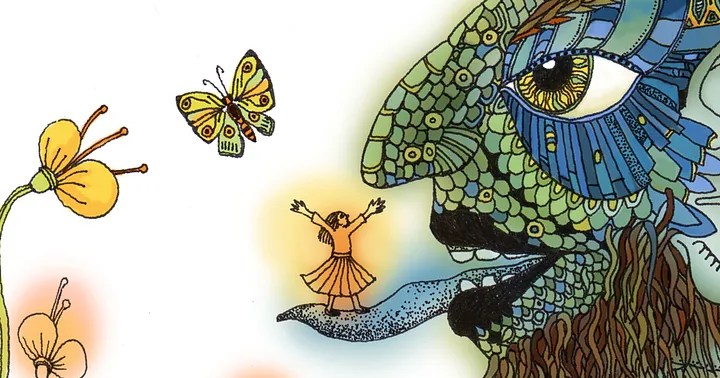
A drawing of a small person in a skirt standing on the tongue of a multicoloured, scale-covered bearded giant who's looking at a butterfly hovering over a flower.
Illustration: Explaining a butterfly to a giant

Here’s some advice for anyone who thinks they might be autistic but aren’t sure where to go from there. You might have done some online tests, like the RAADS H and read the DSM5 or ICD11 diagnostic criteria. And very probably you’re still not sure. Maybe you’re wondering if you should get screened for official diagnosis, which is intimidating process, can be expensive, and inaccessible to many.

I’ve been there, and here’s what I discovered: I don’t need an *official diagnosis that I’m autistic* to be sure that I’m autistic.

Fun fact: even officially diagnosed autistic people suffer from autistic impostor syndrome. For many, an official diagnosis of autism doesn’t provide the clarity they seek. They still wonder whether or not they were diagnosed correctly. Maybe they’re unconsciously faking their traits? Maybe something else is wrong?

So what then?

Unless you need accommodations for work or school, it’s more important to know whether or not you are autistic, than to get officially diagnosed as autistic.

I was lucky to have a psychologist who supported me in my self diagnosis journey. But what helped me most was spending time in autistic spaces online. For the first time in my life (and I’m 51 years old so that’s quite a lot of life) I met people who understood me.

Before I started talking to autistic people, there were so many parts of myself that seemed out of focus. I simply didn’t understand what was going on. I’d never met anyone else who spoke about those things.

Seeing person after person saying “yes, this exact same thing happened to me too, this is how it feels to me as well” was amazing. My understanding of myself snapped into focus.

For example, the autistic tests ask whether you copy characters on TV, to know how to socialise. That’s autistic scripting. I thought I didn’t script, because I didn’t copy TV characters.

But by interacting with other autistic people I realised that scripting is so much more than copying people on TV. That thing where I rehearse interactions with people beforehand? That’s scripting. Or where I quietly rehearse a phone call before I make it? Scripting.

Where are these autistic spaces? On mastodon there’s the actually autistic group @actuallyautistic@a.gup.pe and the #ActuallyAutistic hashtag.

On reddit, there’s r/autisminwomen which despite its name is not just for cis women, but open to trans and nonbinary as well. r/autism is also good, although there are some gatekeepers who disparage self diagnosis, so be aware.

If you are looking for resources for autistic adults I’ve collected a list of articles I’ve found useful here: Resources for adult autistic people

Drawing of yellow and blue flowers.

Guess Culture

Whether you’re neurodivergent or neurotypical, communication can be confusing and frustrating. Your personal history, culture, context and neurotype all come into play. We all rely on guesswork and intuition to some extent. “Guess culture” can look like this:

  1. Everyone avoids saying what they want directly, because they don’t want to override what everyone else wants.
  2. Everyone assumes that everyone else is doing 1. So they don’t believe what people are saying, they think there’s a hidden level of “what you really think” and that their guess about this is accurate.
  3. People get annoyed with one another for either stating, or appearing to have needs, either real or assumed. They feel they can’t say no, and everyone should avoid placing them in a position of being forced into saying no (because saying no is selfish!), or forced into saying yes (because they want to say no!)

Do you recognise yourself in this?

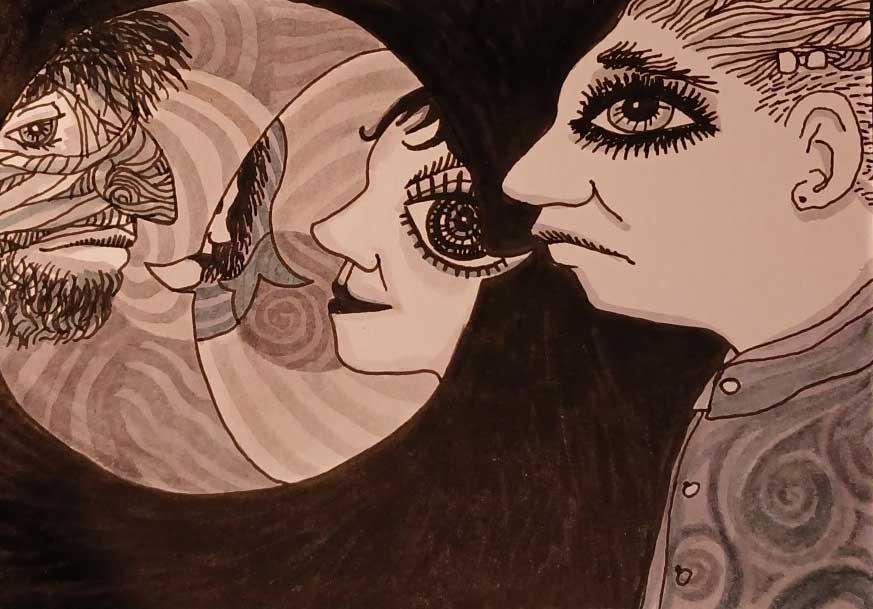
Black and grey drawing of a unhappy person with dramatic eye makeup in profile, saying a speech bubble, that contains a number of other people in profile, each with a nested speech bubble saying another person

If you’re wondering whether autistic self diagnosis can ever be accurate:

Autistic self diagnosis is valid.

That’s not just a polite way to say “we will hesitantly accept self diagnosis while holding our noses” it means that you can accurately diagnose yourself as autistic.

The autistic diagnosis process is highly subjective and the reason why it requires a trained and experienced professional, is because the things that differentiate autistic traits from the traits of mental health conditions are very difficult to determine from the outside.

It’s the internal experience of these traits that determines what they are, and it’s difficult for a person to accurately judge another person’s internal experience.

You don’t have that problem. You have direct access to your own internal experience.

Getting an official diagnosis can be useful if you need accommodations for work or school, or if you won’t feel confident that you really are autistic without the validation of an official diagnosis.

Some people find an official diagnosis reassuring, some carry on doubting that they are “really autistic” even with an official diagnosis, so it really depends on your needs.

Some people hope a diagnosis will convince their family to take them seriously and believe that they are autistic. That doesn’t always work out, as people have an apparently infinite capacity to resist believing uncomfortable truths.

It’s also possible that you may be autistic, and still not get an accurate autism diagnosis because the diagnostic process is deeply flawed, especially for adults, people who were assigned female at birth, people who were assigned male at birth but don’t fit the masculine stereotype, and people who are not white.

If you just need to know whether or not you are autistic, the alternative to an official diagnosis, is informed self diagnosis. That is, doing your own research, and if you feel you need an outside perspective, consulting a therapist who is knowledgeable about neurodivergent people.

The University of Washington Autism Center says:

In our experience at the University of Washington Autism Center, many professionals are not informed about the variety of ways that autism can appear, and often doubt an autistic person’s accurate self diagnosis.

In contrast, inaccurate self-diagnosis of autism appears to be uncommon. We believe that if you have carefully researched the topic and strongly resonate with the experience of the autistic community, you are probably autistic.

If you want to learn more, here is an article that explains different aspects of self-diagnosis.

And to end with, a quote from Embrace Autism about Autistic self doubt and Autistic Imposter Syndrome:

We are lateral thinkers. Our superior lateral abilities generate multiple relevant possibilities for any problem. So we hypothesize what we might actually be and come up with many alternatives. Even if autism perfectly describes us, we may still have doubts because some of our behaviors can be attributed to other conditions.

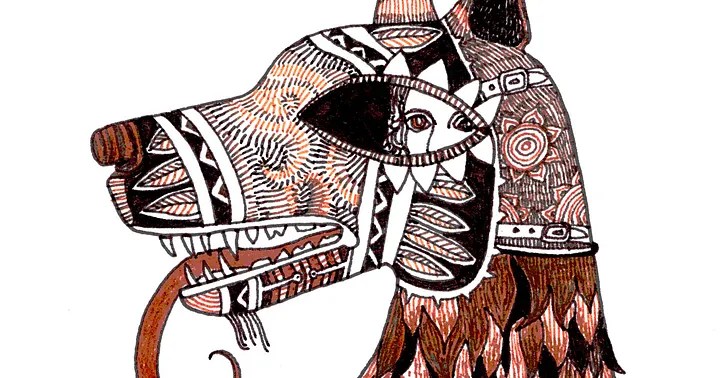
A drawing of a person peering out of the eye-hole of a dog shaped mask covered in patterns.

The Litany for Anger

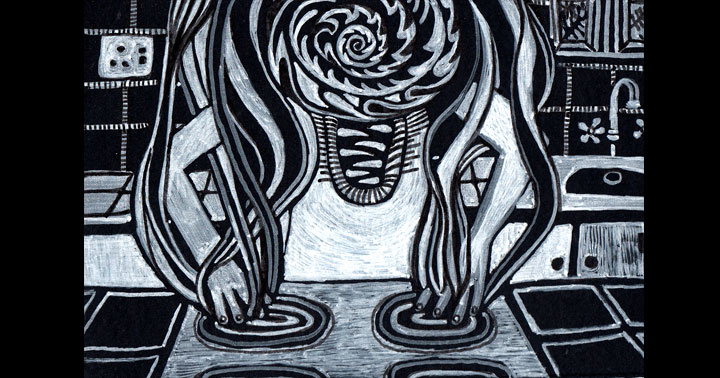
A white on black drawing of a person with their hands on a stove. Smoke rises from the stove plates to obscure their face with a spiky spiral.

There is a way of thinking about anger that makes it more difficult to let go of anger: If you believe that anger is bad and dangerous, that angry people are usually bad people, and that anger is only justified if the situation is extreme.
If you believe that a good person will only get angry at something really bad.

If you believe that a person who gets very angry at a comparatively minor thing, is a bad person.

It works like this:

Something happens that makes you very angry. According to your beliefs, if that thing is minor, your anger means you’re a bad person.

That hurts a lot.

It’s easier to tell yourself “the thing is not minor, it’s terrible! I’m justified in my anger” than to tell yourself “My anger is justified, because it’s OK to be angry, but my anger is out of proportion, because the thing is minor”.

Now you’re ruminating and fighting with yourself because some part of you knows that your anger is out of proportion to the thing that triggered it. And according to your (false) belief, that mean you’re a bad person. You find yourself reciting a litany for anger, over and over again.

In order to continue believing that you’re not bad, you have to continue believing that the thing that made you angry is unforgivably bad.

So you stay angry.

The alternative is to accept that emotions are a inaccurate gauge for what’s happening in reality. You can get very angry at a minor thing.
That doesn’t make you a bad person, it’s just a fact.

It can help to accept that sometimes, anger is out of proportion to the thing that triggered it. You don’t choose it, so it’s not evidence that you’re bad or cruel or selfish.

The anger is trying to protect you. Sometimes that is good and necessary (when the thing that made you angry really is bad) but often it’s not.

It’s like a little child who can’t get the adults to listen to them, unless they shout really loudly. It cares about you and is trying to warn you of danger. But it’s a little kid and can’t tell the difference between a crisis and an inconvenience.

Thank your anger for alerting you to a potential danger. Decide for yourself if there really is anything dangerous. Being extremely angry at something trivial doesn’t make you a bad person, even if other people can tell that you are angry.

This is true for everyone, but especially relevant if you are neurodivergent. Rejection Sensitivity, Demand Avoidance, and big emotions are a common experience for those of us who are Autistic or ADHD.

Compassionate Practice

Listened to the “Compassionate Practice” episode of the Neurodivergent Woman podcast – useful for ND people of all genders. They discuss CFT – Compassion Focussed Therapy. Some things that really stood out for me: Anger and compassion are related and intertwined.

Also, the concept of the three systems that regulate our emotions – Threat, Drive, and Soothe. Each system is important, but it’s easy to fall into using “threat” or “drive” systems to regulate yourself rather than “soothe”.

Very briefly, the Threat System is when we use anxiety to motivate ourselves, and results in heightened adrenaline and cortisol.

Drive System is when we chase dopamine – exercise, playing games, getting into arguments (anger releases dopamine too).

Soothe System is activated by being compassionate, doing soothing activities that release serotonin or oxytocin. Cuddling with a pet, reading a good story, having a warm bath, listening to nature sounds etc.

Each of these can be very useful – being a bit anxious about a deadline can help you meet it, for example. And going for a run or cycle, or playing a game to you enjoy is also good and useful.

But it’s easy to fall into unbalanced habits and rely on Threat and Drive only, and neglect Soothe.

The podcast has some practical examples of how to activate that soothe drive, but here are some of mine:

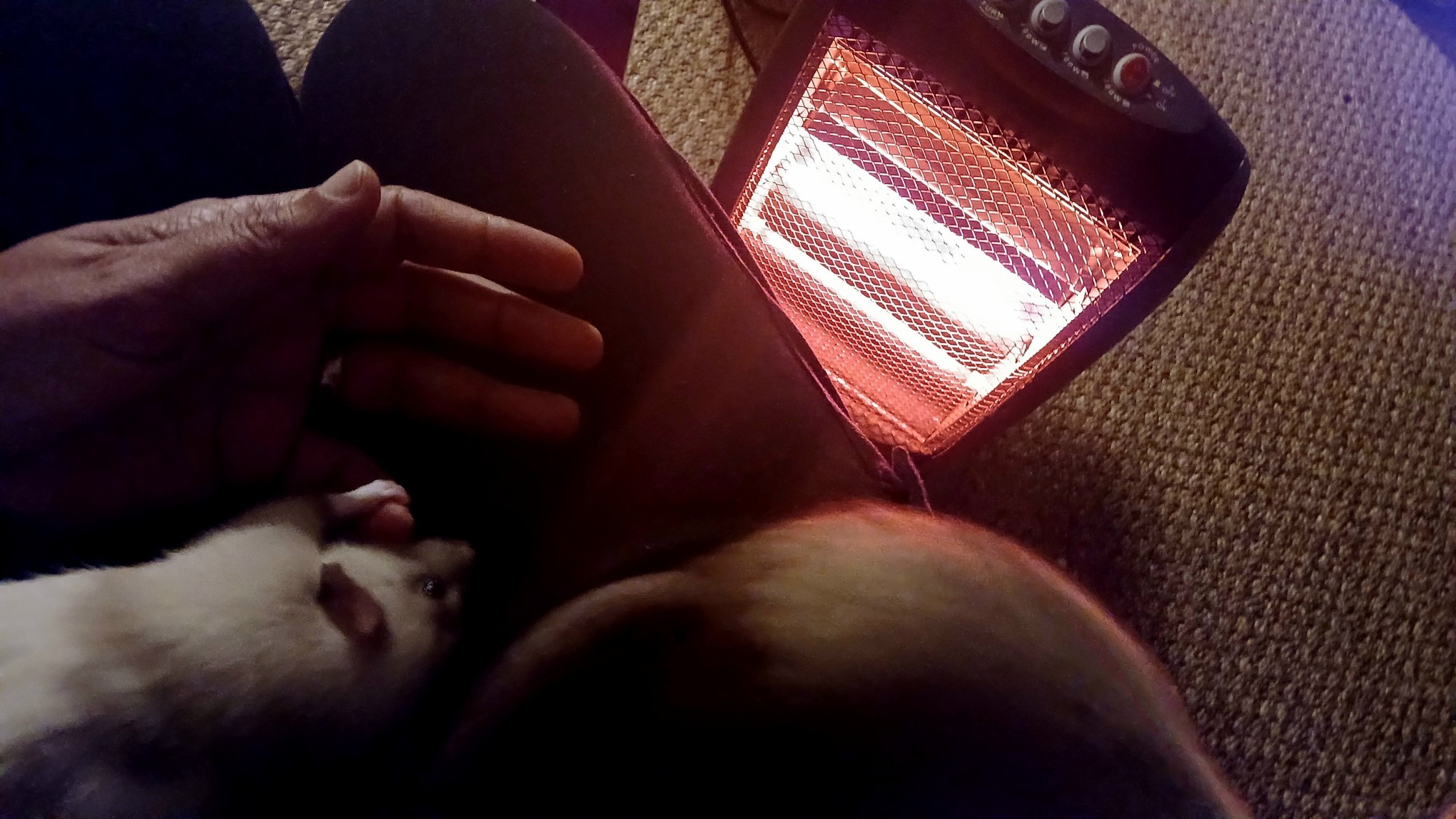
Me sitting in front of a glowing infrared heater with two rats on my lap. One of them has hold of my little finger and is cleaning it.

Sitting in front of a heater with my rats. This is Dash, giving me a manicure.

A white table with a number of small, multicoloured, rounded pebbles arranged by colour from olive green to rusty red, through cream, pink, and grey.

Sorting things by colour. These are pebbles I picked up on a beach in Datça.

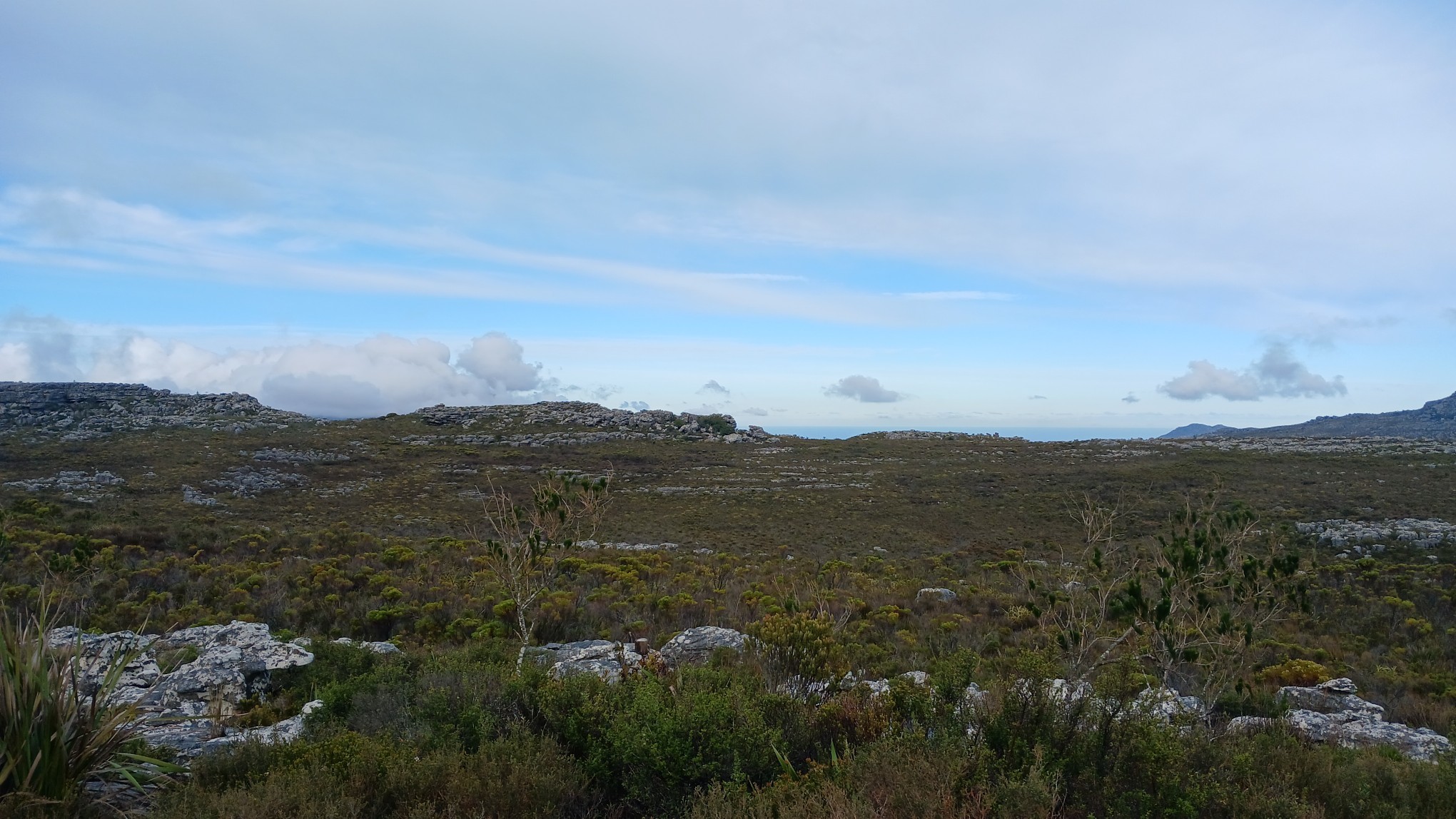
A stretch of fynbos shrubs under a pale blue sky streaked with clouds.

Being outside in nature. This is a view of the top of Constantia Neck, just before the reservoir.

When Seeing A Good Friend In Public

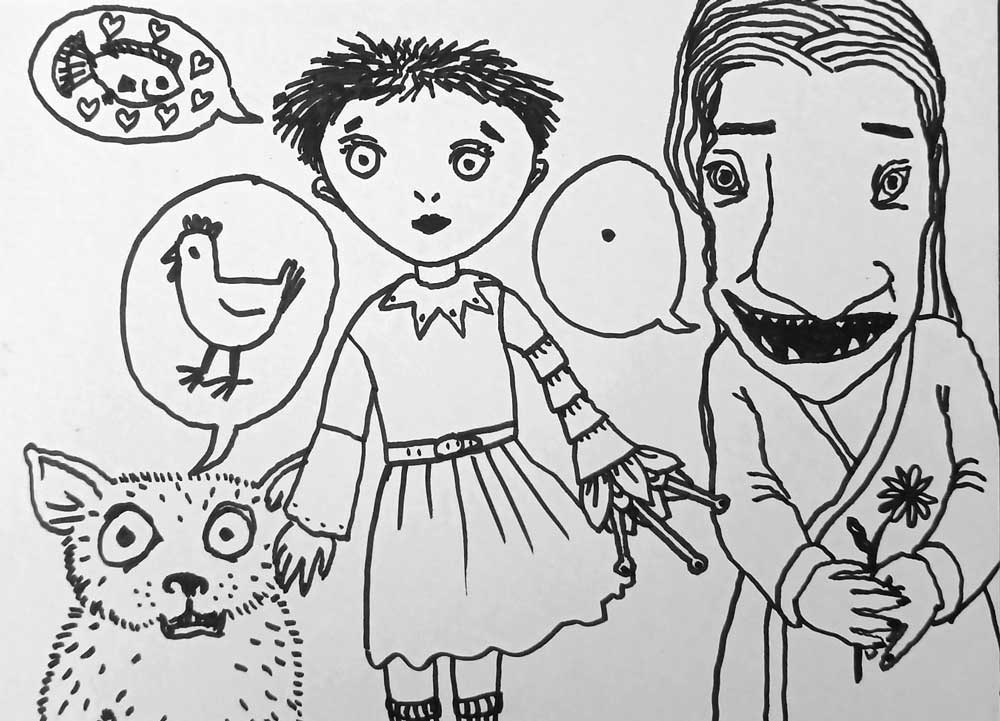
Black and white line drawing. Two people and a hairy cat like creature with big eyes. The cat like creature has a speech bubble containing a chicken. One of the people has short hair and a wistful expression, and one of her hands is a flower.

Autistic thoughts when seeing a good friend unexpectedly in public:

OMG that’s Friend, yay!

They’ve spotted me, can’t hide. Initiate greeting.

OK, greeting is complete, now what do I say?

Was that a strange thing to say?

How long should this conversation last?

OK that was an odd thing to say, they’re looking confused.

Would it look rude if I say “Bye” and walk off now?

How should I end this conversation?

Do they still want to talk or are they trying to end this conversation?

Should I start talking about that thing, or will it take too long?

Maybe I should start end-of-conversation-sequence or is it too early for that?

OK looks like it’s wrapping up.

I think

Yes! Conversation is ending. Initiate end-of-conversation-phrases and timing.

Conversation successfully ended. Walk away.

Why did I say that thing?
Did they think that I was being odd?
Why did I say that thing?