Self compassion is essential, but it can be so difficult to practice. If you’re struggling with self compassion, it might be because you first have to earn your own trust again.
You’ve probably spent an entirely lifetime not taking your own needs seriously. Motivating yourself through anxiety and threats, telling yourself “why can’t you just” or “nothing’s wrong, why are you so messed up?!” and it’s going to take a bit of time before you can feel safe with yourself, and trust that you’re not just going to go back to the old, harsh ways when things get tough. Do what it takes to earn your trust.
Compassionate realism works better than false positivity.
Whether you’re neurodivergent or neurotypical, communication can be confusing and frustrating. Your personal history, culture, context and neurotype all come into play. We all rely on guesswork and intuition to some extent. “Guess culture” can look like this:
Everyone avoids saying what they want directly, because they don’t want to override what everyone else wants.
Everyone assumes that everyone else is doing 1. So they don’t believe what people are saying, they think there’s a hidden level of “what you really think” and that their guess about this is accurate.
People get annoyed with one another for either stating, or appearing to have needs, either real or assumed. They feel they can’t say no, and everyone should avoid placing them in a position of being forced into saying no (because saying no is selfish!), or forced into saying yes (because they want to say no!)
There is a way of thinking about anger that makes it more difficult to let go of anger: If you believe that anger is bad and dangerous, that angry people are usually bad people, and that anger is only justified if the situation is extreme. If you believe that a good person will only get angry at something really bad.
If you believe that a person who gets very angry at a comparatively minor thing, is a bad person.
It works like this:
Something happens that makes you very angry. According to your beliefs, if that thing is minor, your anger means you’re a bad person.
That hurts a lot.
It’s easier to tell yourself “the thing is not minor, it’s terrible! I’m justified in my anger” than to tell yourself “My anger is justified, because it’s OK to be angry, but my anger is out of proportion, because the thing is minor”.
Now you’re ruminating and fighting with yourself because some part of you knows that your anger is out of proportion to the thing that triggered it. And according to your (false) belief, that mean you’re a bad person. You find yourself reciting a litany for anger, over and over again.
In order to continue believing that you’re not bad, you have to continue believing that the thing that made you angry is unforgivably bad.
So you stay angry.
The alternative is to accept that emotions are a inaccurate gauge for what’s happening in reality. You can get very angry at a minor thing. That doesn’t make you a bad person, it’s just a fact.
It can help to accept that sometimes, anger is out of proportion to the thing that triggered it. You don’t choose it, so it’s not evidence that you’re bad or cruel or selfish.
The anger is trying to protect you. Sometimes that is good and necessary (when the thing that made you angry really is bad) but often it’s not.
It’s like a little child who can’t get the adults to listen to them, unless they shout really loudly. It cares about you and is trying to warn you of danger. But it’s a little kid and can’t tell the difference between a crisis and an inconvenience.
Thank your anger for alerting you to a potential danger. Decide for yourself if there really is anything dangerous. Being extremely angry at something trivial doesn’t make you a bad person, even if other people can tell that you are angry.
This is true for everyone, but especially relevant if you are neurodivergent. Rejection Sensitivity, Demand Avoidance, and big emotions are a common experience for those of us who are Autistic or ADHD.
Also, the concept of the three systems that regulate our emotions – Threat, Drive, and Soothe. Each system is important, but it’s easy to fall into using “threat” or “drive” systems to regulate yourself rather than “soothe”.
Very briefly, the Threat System is when we use anxiety to motivate ourselves, and results in heightened adrenaline and cortisol.
Drive System is when we chase dopamine – exercise, playing games, getting into arguments (anger releases dopamine too).
Soothe System is activated by being compassionate, doing soothing activities that release serotonin or oxytocin. Cuddling with a pet, reading a good story, having a warm bath, listening to nature sounds etc.
Each of these can be very useful – being a bit anxious about a deadline can help you meet it, for example. And going for a run or cycle, or playing a game to you enjoy is also good and useful.
But it’s easy to fall into unbalanced habits and rely on Threat and Drive only, and neglect Soothe.
The podcast has some practical examples of how to activate that soothe drive, but here are some of mine:
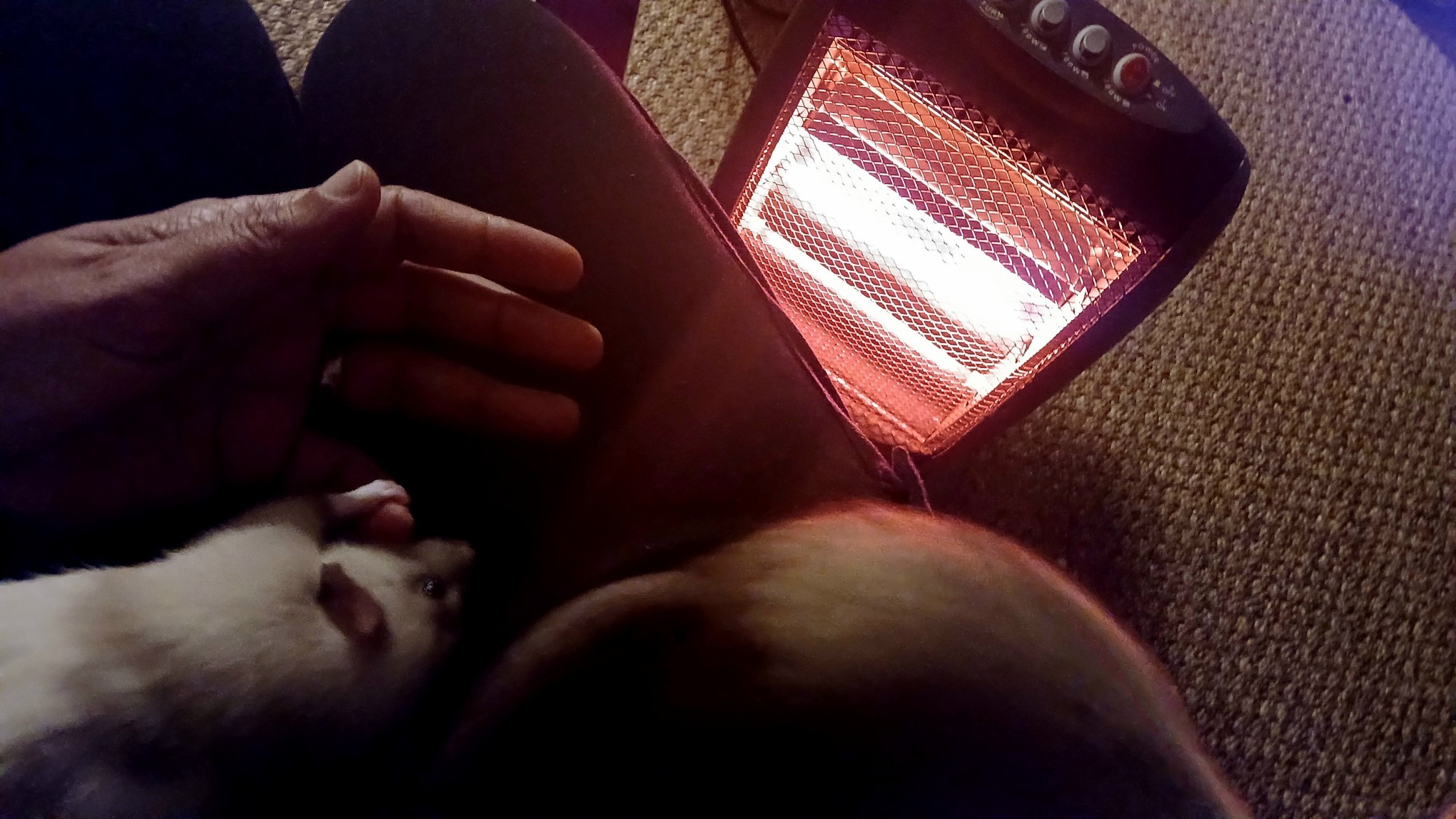
Sitting in front of a heater with my rats. This is Dash, giving me a manicure.
Sorting things by colour. These are pebbles I picked up on a beach in Datça.
Being outside in nature. This is a view of the top of Constantia Neck, just before the reservoir.












 Masha du Toit
Recent Comments